Round-the-Clock Emergency Response
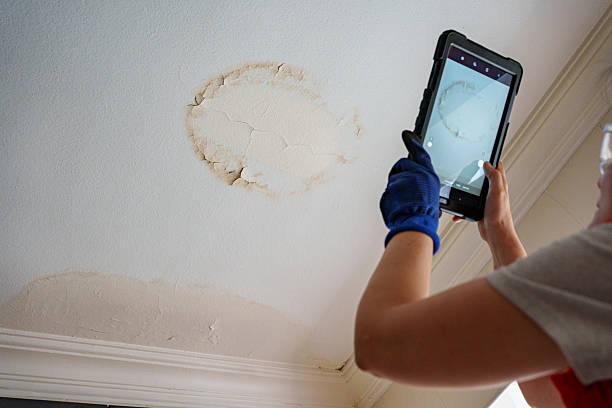
The first few hours decide how big the bill gets. Water climbs drywall, swells particleboard subfloor, and saturates carpet pad faster than most folks realize. Inside a day or two, a clean-water leak can become a mold problem. For that reason, the line never closes overnight and emergency calls go straight to the nearest contractor who is on call.
An emergency visit normally begins with the crew confirming the source is off and the space is safe. They confirm the water is shut off, check whether electrical circuits near the water need to be killed at the panel, and then start extraction with portable or truck-mounted units. In a flooded basement or crawlspace, that often means a submersible trash pump goes in first. Next comes a round of moisture readings, a thermal imaging pass to map where water spread, and the initial set of air movers and LGR dehumidifiers.
Before the crew leaves that first night, you should understand a few things. You should know which areas are wet, the water category, and which materials stay and which ones go. You should also know when the crew is coming back to take readings and move equipment. Most homes need three to five days of drying, though hardwood, plaster, and stone foundations often take longer. Keep the equipment running, keep windows closed unless the pro says otherwise, and leave the thermostat where they set it.
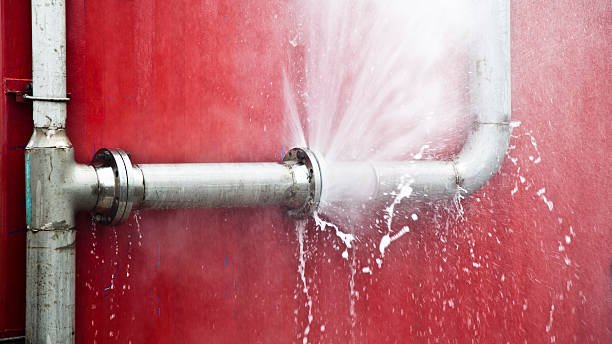
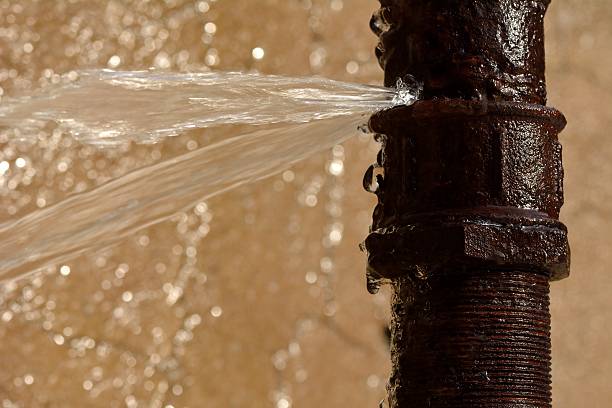
- Burst pipes, failed supply lines, and water heater leaks
- Storm runoff, roof leaks, and flooded window wells
- Failed sump pumps and seeping basement walls
- Overnight and holiday calls handled the same way